5 Powerful Deskbird Alternatives for Desk Booking

In hybrid offices, half of the desks are often empty. Desk booking software can help here. But Desk Booking has to be the right fit for the company, not the other way around. Alongside Deskbird, there are a number of powerful tools that offer different approaches and strengths.

Deskbird Alternatives: 5 Great Desk Booking Tools to Suit You

IIn this article, you will find five strong alternatives to Deskbird. You will learn about their features, who they are suitable for – and how they differ in price. This way, you can decide for yourself which desk booking software suits your team and your daily work.

Important selection criteria for desk booking software as an alternative to Deskbird

Before you decide on an alternative, it's worth taking a quick look at the selection criteria. After all, every organization works differently – and not every tool is suitable for every setup. These four points will help you to better understand what is on offer:

  • Intuitive access and user-friendliness: If you want your team to actually use the software, it has to be easy to understand from day one. Good software doesn't require long training sessions – ideally, new employees can get started right away.
  • Customization options: The alternative software should adapt to your company – not the other way around. This includes, for example, the ability to map different locations, rooms or usage rules. Different roles and rights are also helpful.
  • Integration: The better a tool integrates into your existing infrastructure, the less friction there will be. Many teams work with Microsoft 365, Google Workspace or Slack – so it makes sense if the new system comes with interfaces to these applications.

Range of functions: Good desk booking software can do more than just manage workplaces. Ideally, it should also offer the option of booking meeting rooms, planning events or receiving visitors. Functions such as zone management, a real-time overview or mobile booking make a difference in your day-to-day work. This saves you from having to use different software for each individual function.

5 Deskbird alternatives compared

#1 PULT – booking, workplace management and more

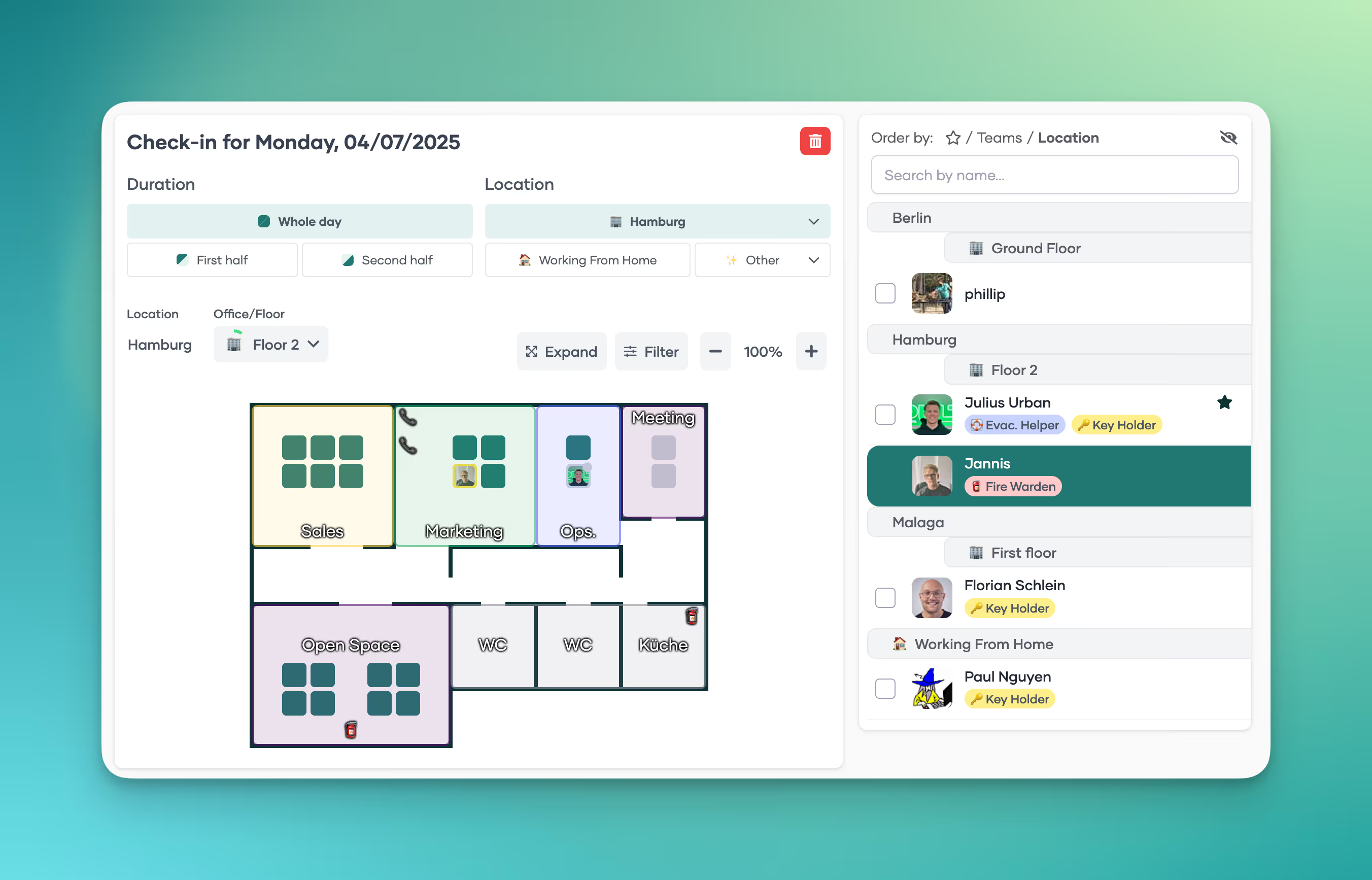
PULT is versatile and goes far beyond the classic basic functions of booking software. In addition to workplace booking, PULT also covers room planning, event organization and visitor registration. This makes PULT particularly suitable for companies that want to manage their entire office organization using a single tool.

PULT features and benefits

  • Clear management of desks, rooms and zones
  • Real-time overview of available workstations
  • Mobile booking via app or in the browser – even when working from home
  • Planning and organization of events and meetings
  • Integration with Microsoft Teams, Google Workspace, Slack and more
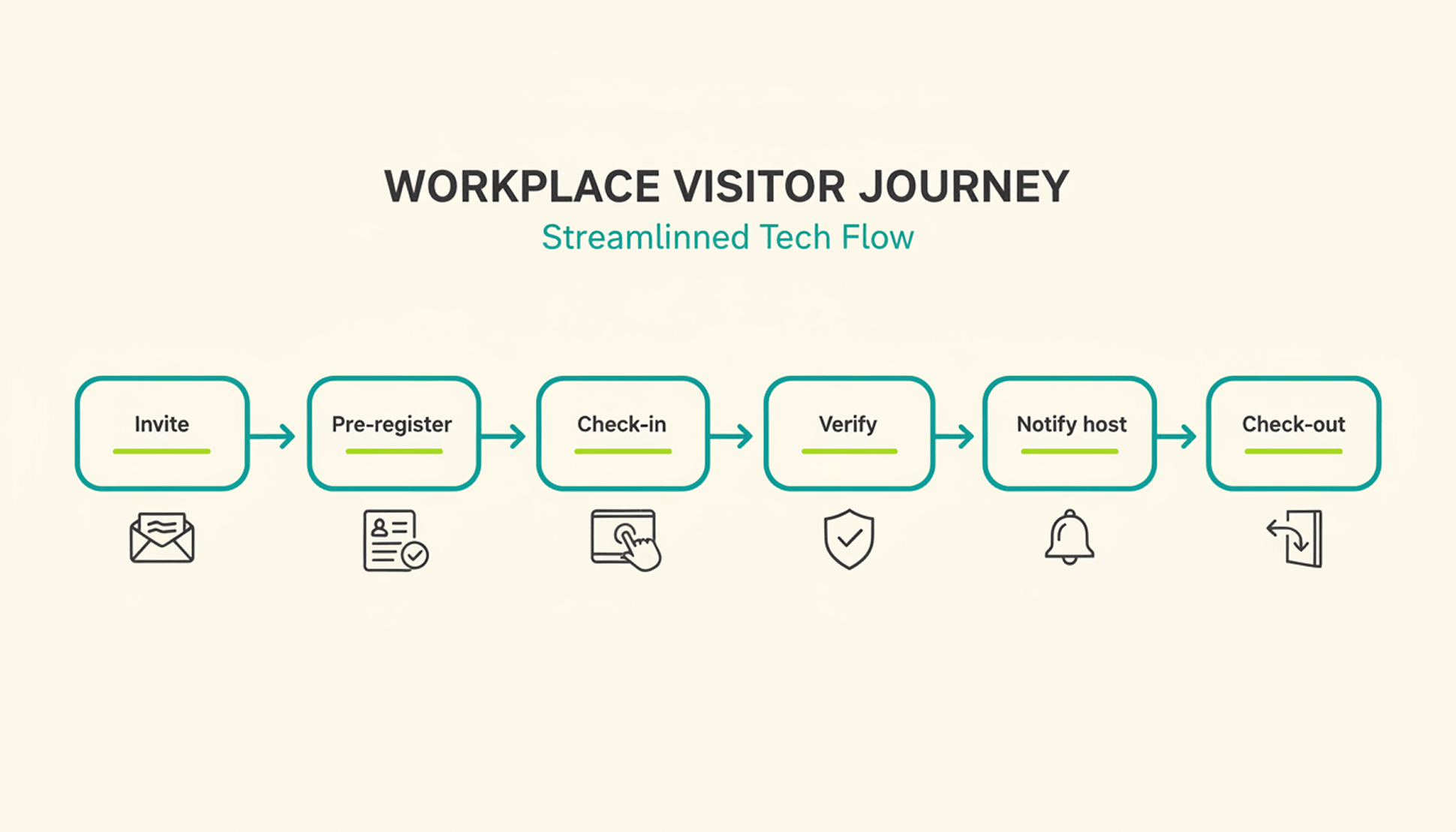
  • Visitor management including check-in and notification of the contact person

PULT is designed so that employees can immediately see which places are available and how they can book them. The same applies to booking rooms, zones and parking spaces.

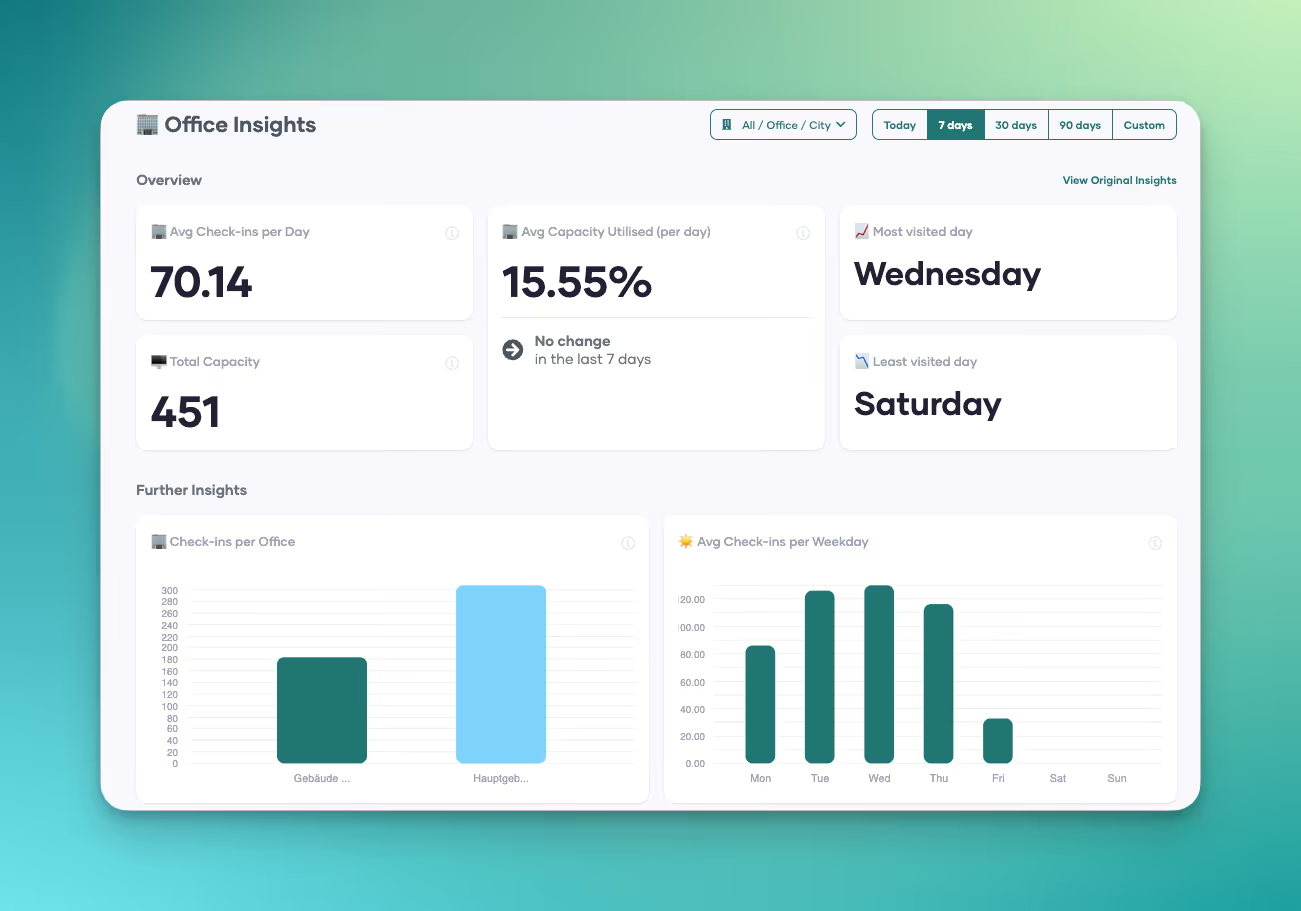
The management options offer precise analyses and reveal patterns. This helps to find out why some locations, offices or individual places are not accepted. Managers receive feedback from their employees about their well-being via PULT and can thus respond better to the team – even from a distance.

PULT pricing model

PULT is available from €1.90 per user per month. It is possible to set individual users to inactive and thus save costs. Concrete offers are available on request via the website. A free product demonstration is available on the website and you can book a live demo.

Who is PULT suitable for?

PULT is a good fit for companies that want more than just desk booking. In particular, teams that have to coordinate many meetings or regularly receive external visitors will find PULT to be a very comprehensive software. Since PULT can be integrated with numerous other software, it should be suitable for most companies.

{{cta}}

#2 desk.ly – Booking, Rules and Analytics

desk.ly is aimed at companies looking for a lean booking software. The tool focuses on the essential functions of booking workplaces, meeting rooms and parking spaces. However, it also offers weekly overviews, displaying attendances and analysis options.

Features and benefits of desk.ly

  • Booking of workplaces and meeting rooms
  • Support for flexible working models (e.g. office/home office switching)
  • Integration with Microsoft Teams and Outlook
  • User roles for admins and team leaders
  • Mobile use on all end devices

Team leaders can use desk.ly to coordinate their employees' work locations, which is particularly helpful in larger departments. The interface is modern, logically structured and well thought out – so everyone can find their way around without any introduction.

desk.ly pricing

desk.ly uses a user-based pricing model, which is available for free for up to 15 users. The Corporate package is available from €1.65 per month and user. More features are available in Enterprise from €2.20 per user per month – including a mobile app, rights and roles, individual booking rules and more.

Who is desk.ly suitable for?

According to their own statements, desk.ly customers include companies of all sizes. If you are looking for a lean software for hybrid work and don't want to miss out on some advanced features, you will find it at desk.ly.

#3 Flexopus – Clear booking with map view

Flexopus is a desk booking software that offers, among other things, the booking of workplaces, meeting rooms and parking spaces. The visual representation of office space as an interactive map view is one of its most well-known features. The tool has a strong visual structure and offers clear structures for booking and administration.

Features and benefits of Flexopus

  • Booking of workplaces, meeting rooms and parking spaces
  • Interactive map view of office space
  • Visitor management
  • Analytics, group management
  • Integration with Microsoft Teams, Outlook, Google Calendar and many more
  • Role and rights management

Flexopus places a high value on intuitive operation. The map view shows employees exactly where their workplace is located and which places are still available. Colleagues can be found on the live plan. Mobile use via an app has also been considered.

Pricing model from Flexopus

Flexopus can be tested free of charge for 30 days. The prices are based on the resources used per month (number of workstations, rooms, parking spaces, etc.), starting at €1.59. For €2.99 per resource and month, functions such as single sign-on, statistics and evaluations, as well as further integration options, are added.

Who is Flexopus suitable for?

Flexopus is suitable for companies that are looking for a visually strong solution with a clear area structure. The map view is particularly advantageous where several locations and floors need to be managed. If you are looking for a highly visual tool with a solid range of functions, Flexopus is a reliable option.

#4 Robin – For teams with a focus on space and planning

Robin is designed for booking seats and rooms, organizing meetings, visitor management and analytics. At its core is a platform that facilitates both individual booking and strategic utilization planning.

Robin's features and benefits

  • Automated workplace booking based on individual office hours
  • Interactive map view with real-time information on available desks
  • Booking of desks, meeting rooms and other office spaces
  • Display of which colleagues are also on site (“who's in” feature)
  • Management of multiple locations in a central interface
  • Rules for booking periods and zones
  • Analysis of the utilization of workstations and rooms

Robin integrates directly with tools like Outlook, Google Workspace and Slack, so bookings can be made without changing systems. The mobile app enables spontaneous reservations. Automatic reminders and the release of unused seats improve utilization. Role rights and team planning ensure an overview.

Robin's pricing model

Robin no longer displays prices on the website. A free demo can be booked for an initial insight.

Who is Robin suitable for?

According to Robin, its services are aimed at companies with 500 or more employees, of whom at least 150 regularly use the office.

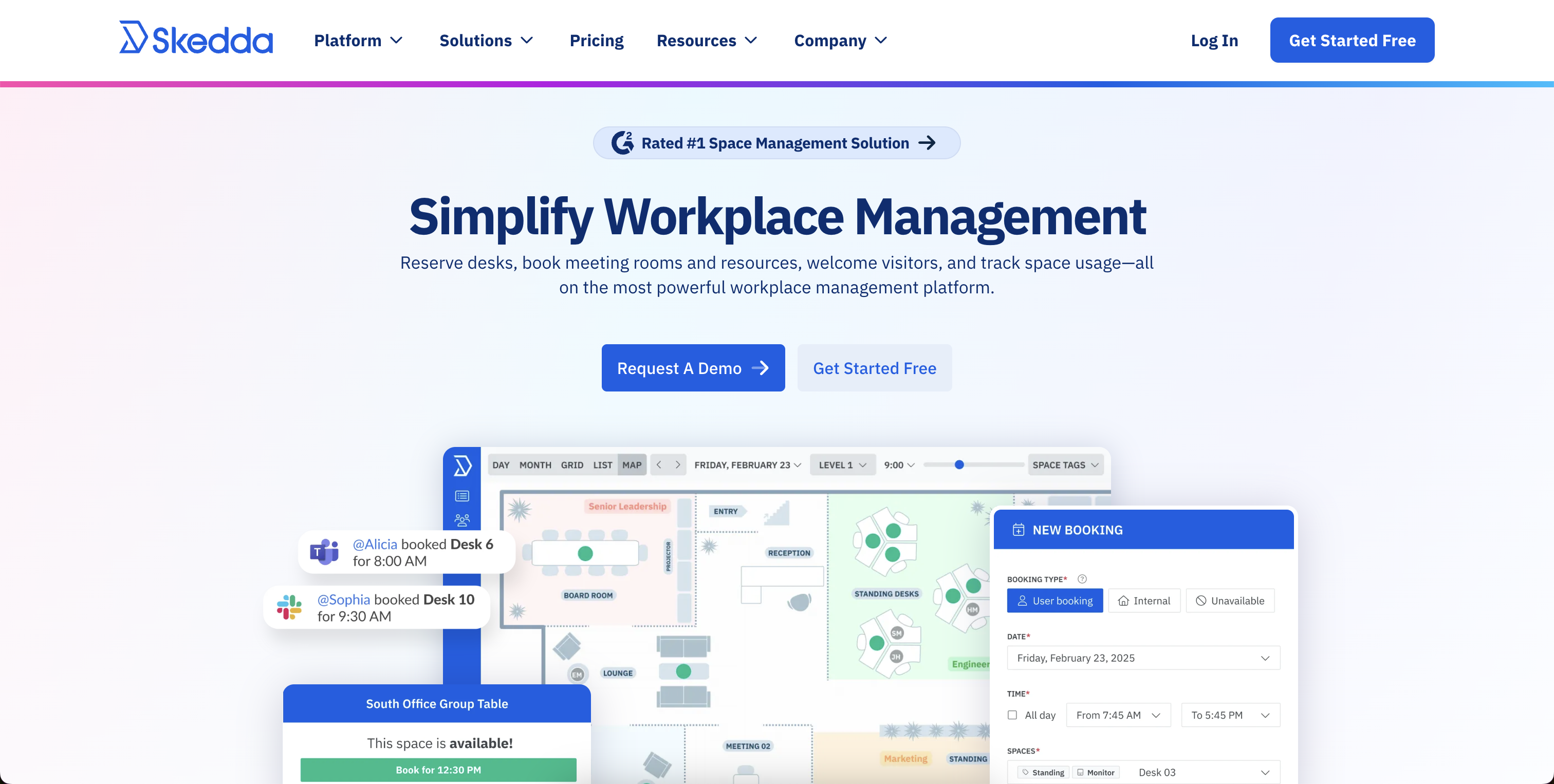
#5 Skedda – Book workplaces with interactive floor plans

Skedda is a booking software for managing workplaces, meeting rooms and other resources. With interactive floor plans and many customization options, Skedda offers a comprehensive software.

Skedda's features and benefits

  • Floor plans: Visualization of office space for booking desks and rooms.
  • Booking rules: Customizable conditions for booking periods, cancellations and usage rights.
  • Integration with calendar services: Synchronization with Microsoft 365, Google and many more
  • Accessibility: Use on smartphones and tablets to enable bookings from anywhere.
  • Analysis and reporting functions: Insights into the use of workplaces and rooms to optimize office utilization.

Skedda also offers features such as single sign-on, self-service check-ins and advanced role rights. This allows access to be controlled and certain processes to be automated. It is also possible to manage multiple locations or areas within a company – including individual settings for each location.

Skedda pricing model

Skedda can be tested for free. The various price plans are available from $99 per month for up to 15 rooms, including interactive floor plans and an unlimited number of users. The mid-range package with the Insight dashboard starts at $149, and the largest package at $199. Visitor management can be added for $99 per month.

Who is Skedda suitable for?

Skedda does not specify the appropriate company size for its customers. Since the smallest package only represents one office layout, smaller companies are also part of the target group. There is no upper limit.

Deskbird Alternative – This is how PULT impresses

All providers in this comparison of Deskbird alternatives go beyond the basic functions of Desk Booking. They offer parking space booking, meeting room organization with catering, visitor management and analysis options. Note that some of the features are only available at the higher price levels.

Desk booking with PULT starts at just €1.90 per month and comes with over 50 integration options. This means your team doesn't have to leave Slack or Office to book places or rooms. The idea behind it is: what simply works will also be used.

  • Workplace booking: 1-click desk booking for your hybrid workplace
  • Room booking: manage meeting rooms including catering and display them in the calendar
  • Hybrid Work Planner: Plan remote days and team events, including a who-is-where function
  • Visitor Management: Receive and guide visitors safely
  • Insights & Analytics: Deep insights into the usage data of all workplaces, rooms, etc.
  • Parking Space Booking: Book parking spaces in advance
  • Wifi Connect: Automatic check-in as soon as colleagues are on the WLAN

The fact that PULT is constantly being developed can be seen from the new features that will soon be added. Incoming parcels and deliveries will then be reported to your team and do not have to be managed individually by reception. In addition, there is the reporting function, which allows colleagues to immediately report defects and other problems at their workstations.

{{hint-box}}

Deskbird alternative – frequently asked questions

PULT Use Cases

PULT is especially useful if you want to enable desk booking policies for the first time. It's simple, easy to use, and flexible to integrate! Try it out for free.

Trusted by 1000+ innovative workplaces
FAQ

Have questions?

Which alternatives are cheaper than Deskbird?

It is not possible to put an exact figure on this, as some providers only quote their prices on request. In addition, most prices for desk booking depend on the number of employees, resources and other factors.

Does a Deskbird alternative integrate easily with Microsoft 365 or Slack?

Many of the Deskbird alternatives shown come with interfaces to Microsoft 365, Google Workspace, Slack and others.

Can employees also book via app in the Deskbird alternatives shown?

Yes, most of them offer mobile apps or web apps. This means that bookings can also be made while on the road or working from home.

What alternatives are there for companies with multiple locations?

Software such as PULT, Robin or Skedda supports the management of multiple locations.

How do I find the right alternative for my company?

First consider which functions you need – then it is worth comparing providers based on criteria such as price, operation and integration.

About author

Isolde Van der Knaap

Hybrid Work Enthusiast and Account Executive

At PULT we're designing the future of the hybrid workplace for companies and their employees. Focused on SME and mid market customers in Eruope, I'm working on everything from Customer Discovery to Onboarding. I'm very passionate about new work and moved to Hamburg in 2024 even though I'm originally from France.

Resources

Learn how to run better workplace operations

Office Insights

Workplace Safety in the Office: Legal Obligations, Ergonomics and Prevention

Workplace safety in the office serves to maintain employee health and provide legal protection for employers. In modern hybrid offices, safety places new demands on the organization of desk sharing and mobile work.

Workplace Safety in the Office: Key Takeaways

  • Legal framework for workplace safety in the office: The foundation consists of the Occupational Safety Act (ArbSchG), the Workplace Ordinance (ArbStättV) and DGUV Information 215-410.
  • Risk assessment in the office: The employer must identify and document the risks (physical and psychological) for each workplace.
  • Ergonomics: Desks, chairs and monitors must be adjustable to prevent musculoskeletal disorders.
  • Personnel: Depending on company size, safety officers, first aiders and fire safety assistants must be appointed in the required numbers.
  • Safety briefings: At least once a year, all employees must be instructed on the hazards and protective measures in the workplace.

What legal regulations apply to workplace safety in the office?

Workplace safety in the office is primarily governed by the Occupational Safety Act (ArbSchG) and the Workplace Ordinance (ArbStättV), which are further specified by DGUV Information 215-410.

These regulations require employers to systematically assess hazards, comply with technical standards for computer workstations and ensure employee safety through regular briefings and the provision of first aiders.

  • Occupational Safety Act (ArbSchG): It forms the foundation and obliges the employer under § 5 to conduct a risk assessment. The goal is to design work in such a way that hazards to life and physical and mental health are avoided.
  • Workplace Ordinance (ArbStättV): It defines minimum requirements for the operation of workplaces. This includes aspects such as room temperature, ventilation, lighting and the design of computer workstations.
  • DGUV Information 215-410 (formerly BGI 650): This guideline from the German Social Accident Insurance is the most important practical standard for offices. It contains detailed requirements for ergonomics, floor space and the safety-related design of work equipment.
  • Display Screen Equipment Regulation (now part of ArbStättV): It sets specific requirements for the quality of monitors, keyboards and software ergonomics to prevent strain on the eyes and musculoskeletal system.

Responsibility and Implementation of Workplace Safety in the Office

The employer is solely responsible for compliance with and implementation of all measures. For support, from the very first employee, the employer is required to provide proof of safety engineering and occupational health care (according to ASIG and DGUV Regulation 2).

Occupational safety specialists (Sifa) and company physicians provide advisory services, but keeping escape routes clear or correctly adjusting office furniture falls under the responsibility of the respective managers or office management.

How is a risk assessment created for office workplaces?

The risk assessment is the required tool for identifying risks to employee health and initiating countermeasures. According to § 5 of the Occupational Safety Act, every employer is obliged to conduct this assessment for all workplaces, document it and update it regularly.

  1. Define work areas: Divide the office into meaningful units, for example individual offices, open spaces, meeting rooms.
  2. Identify hazards: Record all physical and psychological stresses.
  3. Assess hazards: Evaluate the risk (probability of occurrence and severity of potential damage).
  4. Define protective measures: Select appropriate measures according to the TOP principle (Technical before Organizational before Personal).
  5. Implement measures: Carry out the planned improvements.
  6. Check effectiveness: Verify whether the measures have actually reduced the risk.
  7. Document and update: Legally compliant documentation of results and adaptation when changes occur (e.g. new office furniture or software).

Consideration of Psychological Stress in the Office

Since 2013, the Occupational Safety Act has explicitly required that the psychological risk assessment must also be part of the process. In the office, the focus is on factors such as work intensification, constant availability, lack of recovery periods or inadequate work organization. The goal is the prevention of stress-related illnesses and burnout.

Special Case: Risk Assessment for Hybrid Work (Office/Home Office)

Due to the alternation between office and home office, the assessment must extend beyond time spent in the office. The employer must also consider hazards for working from home and on the go. Since the employer has no direct right of inspection in the private space of employees, this is done through self-assessment questionnaires and instructions for the ergonomic design of the home workplace.

What ergonomic requirements must office workplaces meet?

Workplace ergonomics aims to adapt working conditions to the physical characteristics of people. The overarching goal is to prevent improper strain and chronic musculoskeletal disorders .

DGUV Information 215-410 and the standards DIN EN 527-1 (desks) and DIN EN 1335 (office chairs) define exact minimum requirements for this purpose.

The Ergonomic Office Chair

A suitable chair must allow dynamic sitting and be individually adjustable:

  • Seat height: The thighs should slope slightly downward, with feet flat on the floor (knee angle approx. 90° or slightly more).
  • Backrest: It must have lumbar support that supports the natural curvature of the spine in the lower back area.
  • Dynamics: The backrest should be movable (synchronous mechanism) to encourage alternating between leaning forward and backward.

The Office Desk

The desk must provide sufficient space for work equipment and the correct working height:

  • Dimensions: The standard surface area is 160 x 80 cm. A depth of at least 80 cm is necessary to maintain the viewing distance to the monitor.
  • Height: For fixed desks, the standard measurement is 74 cm (± 2 cm). However, height-adjustable sit-stand desks (switching between 65 cm and 125 cm) are ideal for reducing cardiovascular strain.
  • Surface: It must be low-reflection and matte to avoid glare from light sources.

Monitor and Input Devices for the Office

The placement of technology affects the strain on neck and eyes:

  • Viewing distance: Depending on monitor size, this should be between 50 cm and 70 cm.
  • Viewing angle: The top line on the screen should be well below eye level, so that the gaze is slightly tilted downward.
  • Arrangement: The monitor must be positioned directly in front of the user (no twisted posture). Keyboard and mouse should be placed so that the forearms can rest relaxed on the desk.

Light, Noise and Climate in the Office

  • Lighting: For office work, an illuminance of at least 500 lux is required. Natural daylight is preferred, while glare must be prevented using blinds.
  • Noise: The sound pressure level should not exceed 55 dB(A) for predominantly mental tasks.
  • Indoor climate: The recommended room temperature is between 20°C and 22°C. The relative humidity should be between 40% and 60%.

How many first aiders and safety officers do I need for the office?

The number of persons to be appointed for occupational safety is legally defined and depends on the number of insured persons present in the workplace according to DGUV Regulation 1.

  • First aiders: In offices with up to 20 employees present, one first aider must be appointed. From 21 employees onwards, at least 5% of the workforce must be trained as first aiders.
  • Safety officers (SiBe): From a company size of 20 employees, the appointment of at least one safety officer is mandatory. They support the employer on a voluntary basis in accident prevention.
  • Fire safety assistants: Here too, a quota of typically 5% of employees applies. Find all details about training and equipment for fire safety in the office.

Important for planning: The employer must ensure through vacation and sick leave periods as well as hybrid work models that the required number of helpers are physically present in the office at all times.

How is workplace safety implemented in the office with desk sharing and hybrid work?

The introduction of work models such as desk sharing and hybrid work fundamentally changes the requirements for occupational safety. Companies must ensure that the protection goals of the Workplace Ordinance (ArbStättV) are also achieved with daily user changes and in the home office.

  • Ergonomics: Since every employee has different physical requirements, shared workplaces (shared desks) must be versatile and easily adjustable.
  • Space utilization and capacities: In open-space concepts, there is a risk of overcrowding, which increases noise levels and can undermine escape route concepts.
  • Psychological stress: The uncertainty of not finding an adequate workplace in the morning ("desk hunting") creates additional stress and reduces concentration.
  • Hygiene: Frequent user changes require hygiene rules and adapted cleaning cycles.

How does booking software help with workplace safety and health in the office?

PULT is our software for workplace and room booking as well as automated presence detection. It serves many employers as a platform to fulfill their duty of care. The software includes features for ergonomics, emergency management and health protection:

  • Equipment filter: Employees can specifically search for workplaces with height-adjustable desks (sit-stand desks), ergonomic chairs or special monitors.
  • Fixed assignments when needed: For employees with special medical or physical requirements, PULT enables permanent reservation of fixed workplaces as an exception to desk sharing.
  • Emergency Export: At the push of a button, administrators generate a list of all persons actually present. Thanks to WiFi detection (PULT Presence), "no-shows" or spontaneous visitors are also precisely recorded.
  • Capacity control: The software automatically prevents overcrowding of zones. This way, fire safety regulations and escape route capacities are technically accounted for.
  • AI Health & Safety Agent: Our AI agent helps convert occupational safety regulations into tasks and pre-fill compliance documents for audits with real presence data.
  • Noise and acoustic management: Through clear zoning into quiet and team zones as well as the bookability of phone booths, acoustic stress is reduced.
  • Psychological relief: The guarantee of a firmly reserved workplace eliminates the stress of morning searching and ensures a calm start to the workday.
Tip: Learn more about automatic presence detection via WiFi at PULT Presence.

{{onpage-cta}}

Fire safety in the office
Office Insights

Fire Safety in the Office – Regulations, Equipment, Checklist

Fire safety in the office is a legal obligation for employers. Compliance with workplace rule ASR A2.2, regular team briefings and the training of fire safety assistants are essential for responding quickly in an emergency.

Fire safety in the office: Key facts at a glance

  • Fire safety in the office is primarily governed by the Occupational Health and Safety Act (ArbSchG) and the technical rule ASR A2.2.
  • Fire safety equipment: The number and type of fire extinguishers depends on the floor area and fire risk (usually "normal risk" in offices).
  • Fire safety assistants: At least 5% of employees must be designated and trained as fire safety assistants.
  • Fire safety briefing: All employees must be instructed at least once a year on how to behave in the event of a fire and on escape routes.
  • Maintenance: Fire extinguishers must be inspected by a qualified person every two years; fire doors and alarm systems are subject to shorter intervals.

What regulations apply to fire safety in the office?

Fire safety in the office in Germany is primarily regulated by the Occupational Health and Safety Act (ArbSchG), the Workplace Ordinance (ArbStättV) and, in more specific terms, by the Technical Rule for Workplaces ASR A2.2. These regulations oblige you as an employer to ensure adequate firefighting measures, establish evacuation procedures and train a sufficient number of employees as fire safety assistants.

  • Occupational Health and Safety Act (ArbSchG): According to § 10, the employer is obliged to take the measures necessary for first aid, firefighting and the evacuation of employees. They must designate the persons who will assume these tasks in an emergency.
  • Workplace Ordinance (ArbStättV): The annex (section 2.2) stipulates that workplaces must be equipped with fire extinguishing devices and that these, along with fire alarm systems, must be regularly tested for functionality.
  • ASR A2.2: This technical rule specifies the ArbStättV in detail. It provides exact requirements for the number of fire extinguishers needed (extinguishing agent units), the marking of escape routes and the training of fire safety assistants (usually 5% of the workforce).
  • DGUV Regulation 1: This accident prevention regulation of the employers' liability insurance associations requires regular instruction of all insured persons on the hazards present in the workplace and the measures to avert these hazards.

The overall responsibility for fire safety always lies with the employer. The landlord of a property is responsible for structural fire protection (e.g. fire doors, stairwells), while operational fire safety (e.g. fire extinguishers, briefings, assistant training) is the responsibility of the tenant company.

How is fire safety ensured in the office and workplace?

Fire safety in the office comprises structural, technical and organisational fire protection. Structural measures should be implemented by the building owner, but the responsibility for technical equipment and organisational procedures lies directly with the employer in the office.

Structural fire protection

This part of fire protection encompasses all measures permanently built into the building that prevent the spread of fire and secure rescue routes.

  • Fire compartments: Division of the building by fire walls.
  • Escape and rescue routes: Designation of stairwells and emergency exits that must remain smoke-free in the event of a fire.
  • Fire resistance classes: Use of materials that withstand fire for a defined period (e.g. F90).

Technical fire protection systems

This includes all technical installations that detect a fire early or support firefighting efforts.

  • Fire alarm systems (BMA): Automatic detection of smoke or heat and direct alerting of the fire brigade.
  • Smoke extraction systems (RWA): Extract smoke gases from the building to protect people and improve visibility for evacuation.
  • Emergency lighting: Ensures escape routes can be found in the event of a power failure or smoke.

Organisational fire protection

This is the area with the greatest need for action by office management, as it governs human behaviour and ongoing maintenance.

  • Fire safety regulations: Preparation of parts A, B and C to govern behaviour and responsibilities.
  • Fire safety assistants: Designation and training of employees for initial firefighting and evacuation.
  • Maintenance & inspection: Ensuring inspection deadlines for fire extinguishers, wall hydrants and alarm systems.
  • Briefings: Regular training of all employees on the specific hazards and escape routes in the office.

How many fire extinguishers does my office need?

The number of fire extinguishers required in an office depends on the floor area and fire risk, with normal risk generally assumed for standard administrative buildings. The extinguishing agent unit (LE) system according to workplace rule ASR A2.2 is used to determine the requirement, making the different performance levels of various extinguishing agents comparable.

Step 1: Determining the fire risk

Before calculating the number, the risk class must be determined:

  • Normal risk: Standard offices without high fire loads (e.g. ordinary computer workstations, files in usual quantities).
  • Elevated risk: Rooms with flammable liquids, large storage areas or workshops. Additional measures are required here.

Step 2: Calculating extinguishing agent units (LE)

For offices with normal risk, the following table from the technical rule for workplaces ASR A2.2 (section 5.2, table 3) applies for determining the required extinguishing agent units:

Floor area (up to m²) Required extinguishing agent units (LE)
50 6
100 9
200 12
300 15
400 18
each additional 250 +6

Step 3: Selecting the fire extinguishers

A standard 6-litre foam extinguisher usually corresponds to 6 to 9 LE (depending on performance). The choice of extinguishing agent is important in offices. Get advice from a fire safety company:

  • Foam extinguishers: They extinguish effectively and cause significantly less contamination than powder extinguishers.
  • CO2 extinguishers (carbon dioxide): Mandatory for server rooms or areas with extensive IT hardware, as they extinguish without residue and do not cause short circuits from extinguishing agent residues.
  • Powder extinguishers: Unsuitable for offices, as the fine salt powder permanently damages all electronics and furnishings (corrosion).

Important placement rules for fire extinguishers

  • Accessibility: Fire extinguishers must be clearly visible and easily accessible (maximum distance from any point: 20 metres).
  • Mounting height: The grip height should be approximately 80 cm to 120 cm.
  • Marking: Each location must be marked with the square, red fire safety sign (F001) above the extinguisher.

How many fire safety assistants must be designated for my office?

According to ASR A2.2 section 7.3, the employer is obliged to familiarise a sufficient number of employees with fire extinguishing equipment through instruction and practice and to designate them as fire safety assistants. These persons support initial firefighting and the evacuation of colleagues in an emergency.

  • The 5 percent rule: As a rule, 5% of employees as fire safety assistants is sufficient, provided there is a normal fire risk (which applies to most offices).
  • Attendance: Shift work, holidays, sick leave and mobile working (hybrid work) must be taken into account in the calculation. A sufficient number of assistants must be present on site at all times.
  • Special risk: In cases of elevated fire risk or a large number of persons with limited mobility (e.g. public traffic), the quota must be individually adjusted upwards.
  • Additional roles: It often makes sense to deploy fire safety assistants simultaneously as evacuation assistants to coordinate the building evacuation in a structured manner.

Fire safety assistant training and refresher courses

An employee only becomes a fire safety assistant through expert instruction. This includes:

  • Theoretical foundations: Fundamentals of preventive fire protection, behaviour in the event of fire and the operational fire safety organisation.
  • Practical exercise: Real-world handling of fire extinguishing equipment (extinguishing agent training).
  • Interval: Training should generally be refreshed every 3 to 5 years. In the event of significant operational changes (e.g. relocation or new procedures), immediate retraining is required.

What challenges does modern work pose for fire safety in the office?

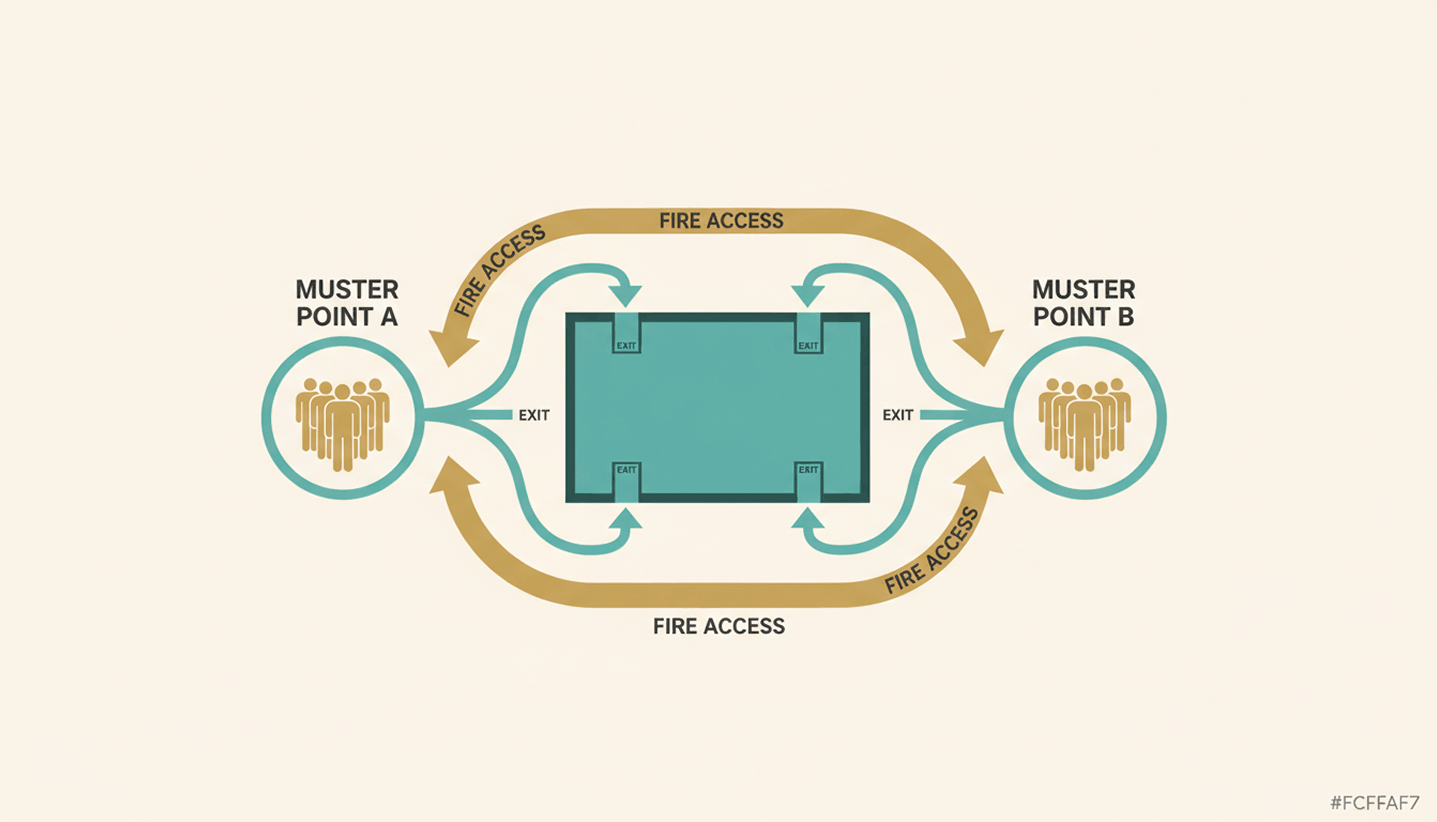
The greatest challenge for fire safety in modern office concepts is the lack of overview of the actual number of people in the building, caused by hybrid work and desk sharing. Traditional, static attendance lists are ineffective in such a work environment, as employees appear irregularly, spontaneously switch workstations or leave the office without signing out.

  • In the event of an evacuation, rescue services need to know how many people are in which fire compartments. Paper lists or pure booking data (which often contain "no-shows") lead to life-threatening inaccuracies.
  • With free seating, there is a risk that too many people are in one area at the same time. This can overload escape routes or exceed the maximum permitted occupancy according to the fire safety concept.
  • As teams rotate, permanently assigned fire safety assistants per floor are often not present. It must be ensured that despite hybrid working, a sufficient proportion of trained personnel is always on site.

How do booking software and presence detection help with fire safety in the office?

PULT is our software for workspace and room booking as well as automated presence detection. Smartphones, tablets or laptops are detected via the company Wi-Fi and the associated person is automatically listed as present. This also creates a reliable attendance list for emergency situations.

Unlike pure booking systems, PULT detects the actual presence of employees, enabling precise coordination of evacuations and compliance with legal safety requirements.

  • Emergency report at the push of a button (Emergency Export): Administrators can instantly generate a list of all persons currently present in the office via a button. Since the system automatically detects presence via the Wi-Fi connection of devices, employees who forgot to book a desk are also captured.
  • Automated capacity limits: Maximum occupancy numbers per zone can be set in PULT's booking logic. This prevents overcrowding and ensures that fire safety concepts and escape route capacities are maintained at all times.
  • Vermeidung von Fehlern bei Evakuierungen: Die automatisierte Erfassung beendet das „Ratespiel“ am Sammelplatz. Rettungskräfte erhalten sofortige Klarheit darüber, ob das Gebäude vollständig geräumt ist oder ob sich noch Personen im Gefahrenbereich befinden könnten.
Tip: Learn more about automatic presence detection via Wi-Fi at PULT Presence.

{{onpage-cta}}

Office Insights

Toxic workplace: examples, test, and first steps for those affected

A toxic workplace causes lasting stress and has a negative impact on work performance and personal health. A toxic environment can be recognized, and there are ways out.

Toxic workplace: The most important facts in brief

  • A workplace is considered toxic when negative behavior patterns persist and do not improve despite warnings.
  • Typical characteristics of a toxic workplace include micromanagement, derogatory communication, withholding of information, overload, unequal treatment, and fear of repercussions.
  • The consequences of a toxic workplace include declining performance, ongoing stress, and long-term health risks.
  • Important countermeasures include documenting toxic situations in writing, setting boundaries, documentation, communication within the team, and, if necessary, involving the human resources department or works council.
  • Termination is appropriate when boundaries are consistently crossed and change is not achievable.
  • For a fresh start, platforms such as LinkedIn, Indeed, and local job portals offer a good overview of suitable positions.
  • Objective reviews on kununu or Glassdoor can warn others without incurring legal risks.

What is a toxic workplace? 

In a toxic workplace, recurring situations or behaviors noticeably impair the quality of work, personal well-being, or performance. 

A typical characteristic of a toxic workplace is that problems occur regularly, become entrenched, and are almost impossible to avoid in everyday working life. It becomes toxic when negative patterns persist and are difficult to improve. This does not refer to individual conflicts or high levels of stress.

Toxic work environment vs. stressful job

A stressful job is caused by a heavy workload or tight deadlines. Despite the pressure, cooperation usually remains predictable: agreements work, information is available, and criticism is possible. A toxic environment, on the other hand, is characterized by:

  • Constant uncertainty. You never know how the day will turn out.
  • Unreliable or contradictory communication.
  • Behavior that undermines respect or trust.
  • Problems that recur repeatedly, even after warnings or discussions.

Real examples of toxic workplaces from Reddit

Reddit is a major internet forum that functions as a social network for sharing text posts, images, and videos. Users generally engage in very open and honest discussions there, so you can also find authentic descriptions of toxic workplaces.

*Quotes translated from german originals

„ People gossip about everything and everyone, but face to face we're a team and we all laugh together. Yeah, suuuuure" 

An apprentice describes a culture in which colleagues are constantly talked about behind their backs, while harmony is maintained in public. Toxic patterns: double standards, mistrust, toxic team dynamics. Source
"...a person who complains to the boss about every little thing, which has already led to people being threatened with dismissal."

A training cohort experiences internal complaints being escalated immediately and threats of dismissal hanging in the air. Toxic patterns: climate of fear, denunciation, lack of conflict resolution. Source
"One missing smile... one wrong look and I'm afraid I'll be fired." 

One employee describes constant fear of being fired during the probationary period for minor reasons. Toxic patterns: insecurity, psychological pressure, unclear expectations. Source
"You need help from colleagues and you're not getting it." 

One user describes an environment in which support is systematically lacking, even though it is necessary for the work. Toxic patterns: passive resistance, isolation, "every man for himself." Source
"Be nice and polite to those who are subservient... and put down the rest..." 

Here, toxic boss behavior is described as a pattern: flattery toward followers, belittling others. Toxic patterns: favoritism, power games, humiliation. Source

12 characteristics and warning signs: How can I recognize a toxic workplace?

A toxic workplace is characterized by negative behavior patterns occurring regularly and permanently impairing cooperation. Typical signs include a lack of trust, derogatory communication, withholding of information, unfair treatment, constant overload, and unresolved conflicts. If several of these points exist at the same time and nothing improves despite warnings, it is usually a toxic workplace.

  • Micromanagement and lack of trust: The supervisor controls every step, constantly intervenes in details, and rarely allows independent decisions. Tasks take longer because approvals or queries are constantly required.
  • Unclear or conflicting expectations: Goals change at short notice, targets are vague or contradict previous statements.
  • Derogatory communication: Criticism is phrased in a personal manner, there is a lack of appreciation, and conversations are tense or conducted in a commanding tone. Suggestions or ideas are regularly dismissed or ignored.
  • Blame instead of problem solving: Mistakes are attributed to individuals, even if the causes lie in the process or the team. A constructive approach to problems does not develop.
  • Withholding information: Important information is deliberately delayed or not passed on. This makes it harder for those affected to do their jobs or makes them seem unprepared.
  • Clique formation and exclusion: Some members of the team receive benefits, access to supervisors, or informal information. Others are excluded, overlooked, or systematically isolated.
  • Frequent conflicts without lasting solutions: Points of contention regularly resurface because the underlying causes are not discussed. Conflicts tend to lead to distance or hostility rather than clear agreements.
  • Overwork as the norm: Workload, pace, or expectations are consistently higher than realistic. Breaks, relaxation, or adequate planning are rare. Overtime becomes the norm.
  • No recognition or appreciation: Successes are taken for granted. Feedback is rare or one-sidedly negative. Achievements are not acknowledged or are publicly belittled.
  • Unequal treatment: Rules do not apply equally to everyone. Some individuals receive special privileges, while others are judged more harshly. Decisions appear unfair or arbitrary.
  • Fear of reactions: Colleagues avoid addressing problems because they expect negative consequences. Criticism leads to sanctions, poorer treatment, or exclusion from decisions.
  • High turnover or frequent sick leave: Many leave within a short period of time or take sick leave.

How can I test whether my workplace is toxic?

The more of the following questions you answer Yes, the more likely it is that you have a toxic work environment:

• Am I heavily monitored in my work or frequently restricted in details?
• Do I often not know exactly what is expected of me or what the priorities are?
• Do I encounter derogatory comments, disrespectful language, or unnecessary harshness?
• Do I find that mistakes tend to lead to blame rather than solutions?
• Do I therefore tend to hide mistakes?
• Is important information being withheld or passed on late?
• Are there distinct cliques within the team; are individual people excluded?
• Do conflicts keep recurring without being resolved?
• Am I constantly overworked or regularly working beyond my limits?
• Do I rarely or never receive recognition for good work?
• Do I find it difficult to address problems openly because I expect negative consequences?

Classification:

These points will help you classify your initial assumption:

  • Do things improve if I address problems openly?
  • Do colleagues experience similar situations or stresses?
  • Do the patterns persist for weeks or months?

What are the consequences of a toxic work environment?

A toxic work environment affects team morale and impairs performance, health, and long-term development. The effects impact both individuals and the company.

Short-term consequences of a toxic work environment for individuals

  • decreased concentration and reduced performance
  • increased tension, nervousness, or sleep problems
  • Constant inner restlessness and vigilance when dealing with superiors or colleagues
  • lower motivation and less commitment

Long-term consequences of a toxic work environment for individuals

  • Increased and constant exhaustion, increased risk of burnout
  • persistent emotional stress, e.g. due to anxiety or frustration
  • Withdrawal from cooperation, projects, or responsibility
  • reduced self-esteem and doubts about one's own competence

Consequences of a toxic work environment for the company

  • increasing staff turnover and loss of expertise
  • more frequent absences and sick leave
  • declining productivity and lower quality of work
  • difficulties in recruiting personnel due to negative employer image

What can I do if my workplace is toxic?

In a toxic workplace, it helps to identify stressful situations, set clear boundaries, document incidents in writing, talk to colleagues, involve official bodies, and prepare possible alternatives.

  1. Describe situations: Describe stressful events: What happened? Who was involved? What impact did it have? 
  2. Set your own boundaries: Determine what behavior is acceptable to you and what is not. Keep these boundaries short and specific, for example: "I need clear instructions" or "I want to work without derogatory comments."
  3. Document events: Keep a factual record with dates, people involved, and situations.
  4. Seek allies: Talk to colleagues you trust. If similar observations are made repeatedly, this confirms the pattern and strengthens your position in discussions with supervisors or the human resources department.
  5. Involve official bodies: If discussions within the team are ineffective, seek advice from the human resources department, the works council, or another official body within the company. They will be able to assess what options and steps are available.
  6. Reduce your own stress: Ensure you get sufficient rest and relaxation, stick strictly to your working hours, and seek medical help if you experience symptoms such as sleep problems or constant exhaustion.
  7. Prepare an exit option: If no improvements are foreseeable, it makes sense to consider other options for your future career path. Update your resume, activate your network, and look into job opportunities. Being in a position to leave also strengthens your negotiating position internally.

Should I quit or stay in a toxic workplace?

Whether it makes sense to quit or stay depends on whether the stressful patterns can be changed or at least whether there is any sign of improvement. Quitting is advisable if your boundaries are constantly being crossed and internal attempts to find a solution have had no effect.

Criteria that speak in favor of a temporary stay:

  • There are specific areas for improvement.
  • Discussions with supervisors or the human resources department are proving effective.
  • The team offers you support and assists with necessary changes.
  • Stressful situations can be limited and become less frequent.
  • Your personal stability and resilience are still sufficient to wait out the coming changes.

Criteria that speak in favor of termination:

  • Despite discussions, your boundaries continue to be crossed.
  • Criticism leads to negative reactions or discrimination.
  • The leadership shows no interest in change.
  • The strain on your health is increasing, you are not getting any better in the long term, or you are even getting worse.
  • The toxic behavior is structurally embedded and affects many areas.

What happens next when a toxic workplace has no future?

If a workplace is permanently toxic and no realistic improvement is to be expected, then look ahead. On job portals, you can quickly find offers that broaden your horizons and show you that there are indeed other opportunities out there for you.

On LinkedIn, you can filter by company, industry, and working model. Indeed, StepStone, and similar platforms display a wide range of current job openings. It is also worth taking a regional look, for example via job portals of local newspapers, municipal career platforms, or company websites in your area.

Leaving a toxic employer often triggers strong emotions. Honestly examine whether you feel any desire for revenge. Openly disparaging, spreading rumors, or making negative statements about individuals or companies can have legal consequences, such as defamation. It is wise not to give in to these impulses and instead invest your energy in your own new beginning.

Nevertheless, you can protect others from problematic structures. An objective and accurate review on platforms such as kununu or Glassdoor is an effective way to expose abuses without attacking anyone personally. Stick to verifiable facts, describe working conditions, and avoid personal accusations. This will help other applicants while protecting your own position.

Tip: Never speak badly about former employers during job interviews, as this never goes down well. However, you can certainly mention that you had different ideas about what constitutes a healthy workplace and that this is why you are changing jobs. Your interviewer will appreciate statements of this kind.